
Day 1: Nairobi – Maasai Mara National Reserve
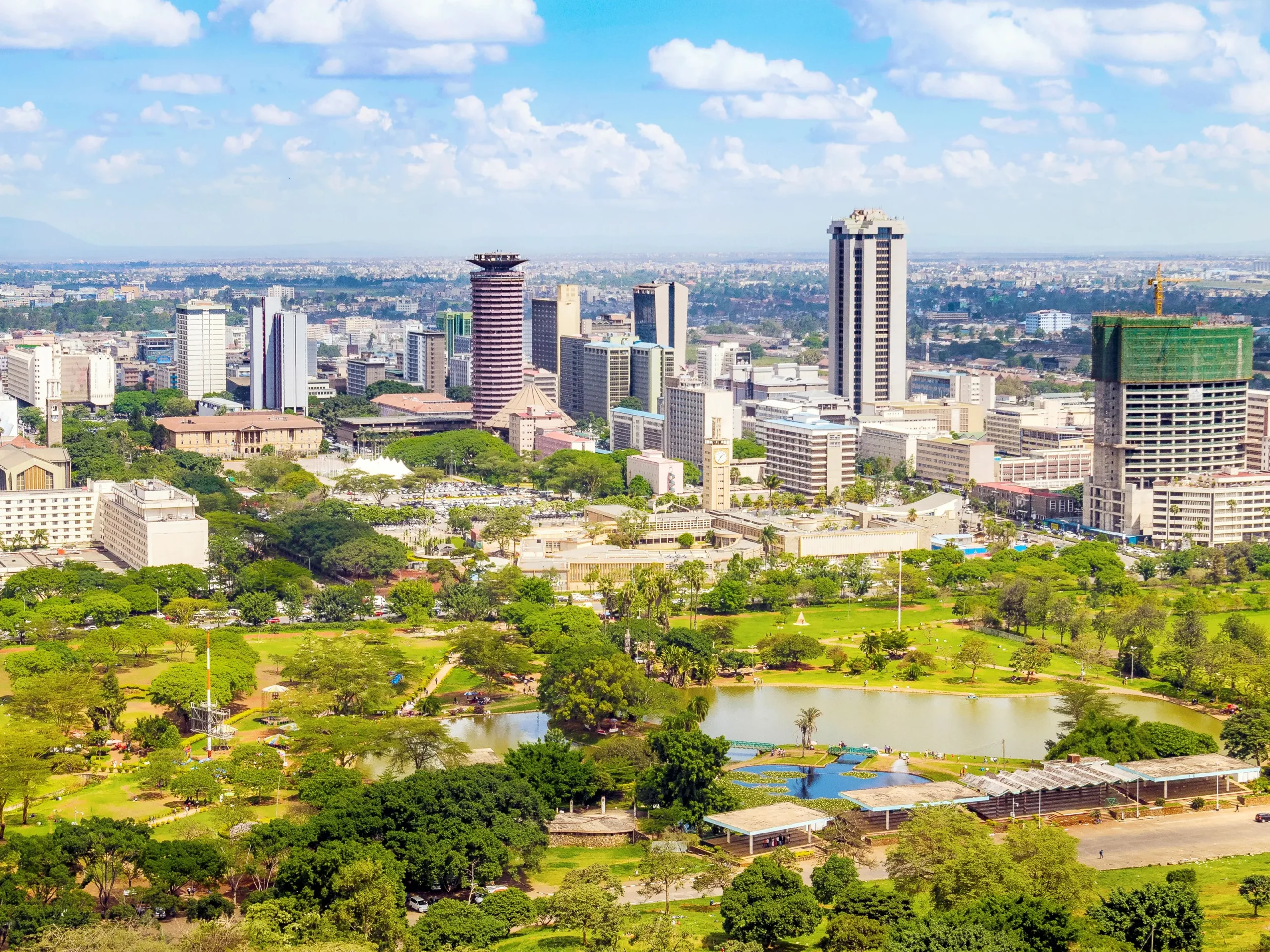
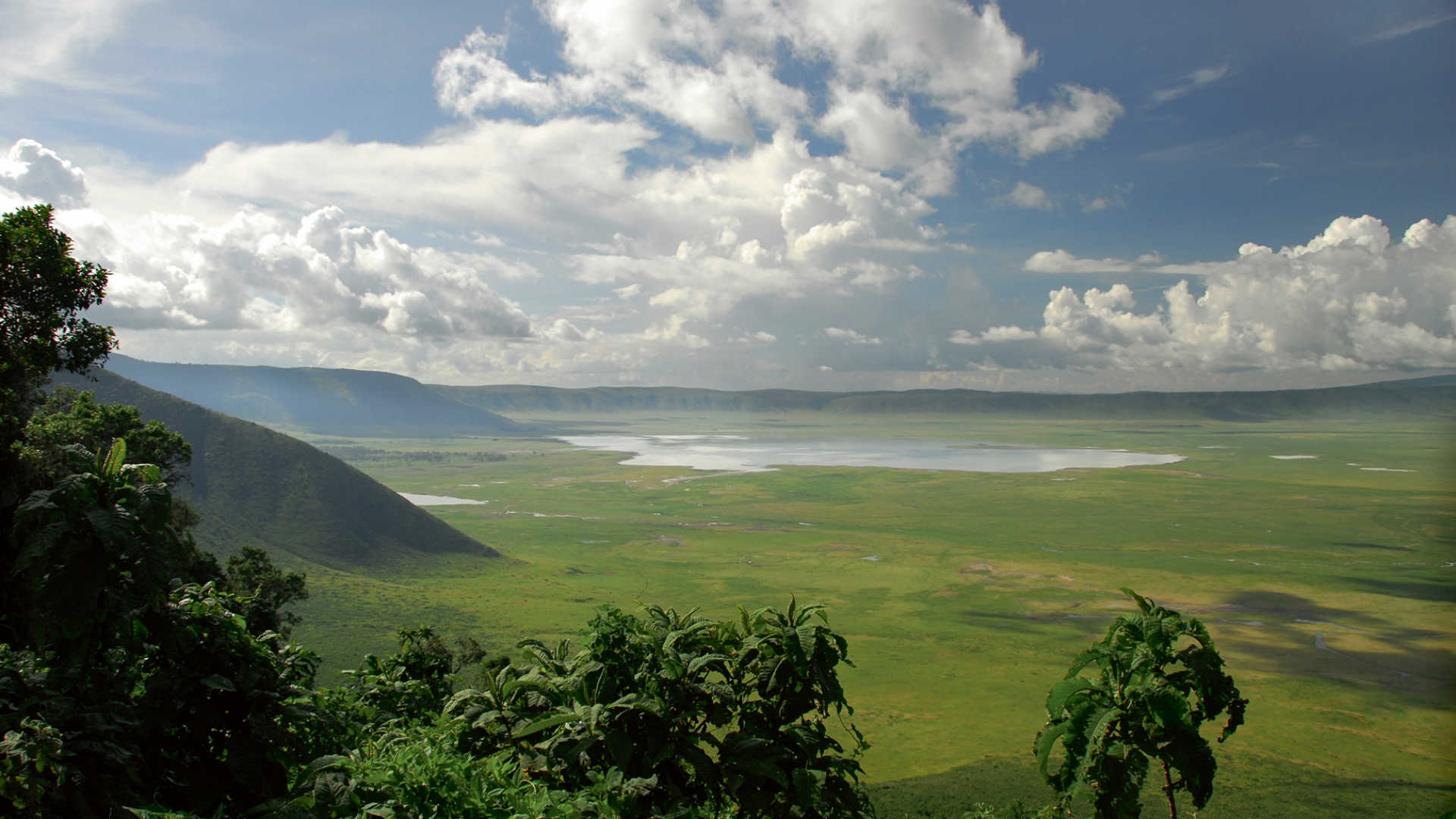
Your adventure begins with a pick-up from your Nairobi hotel or Jomo Kenyatta International Airport at 7:30 AM. Depart for the world-famous ,Maasai Mara National Reserve, travelling through the spectacular Great Rift Valley, where you will enjoy breathtaking views and a brief stop for photography.
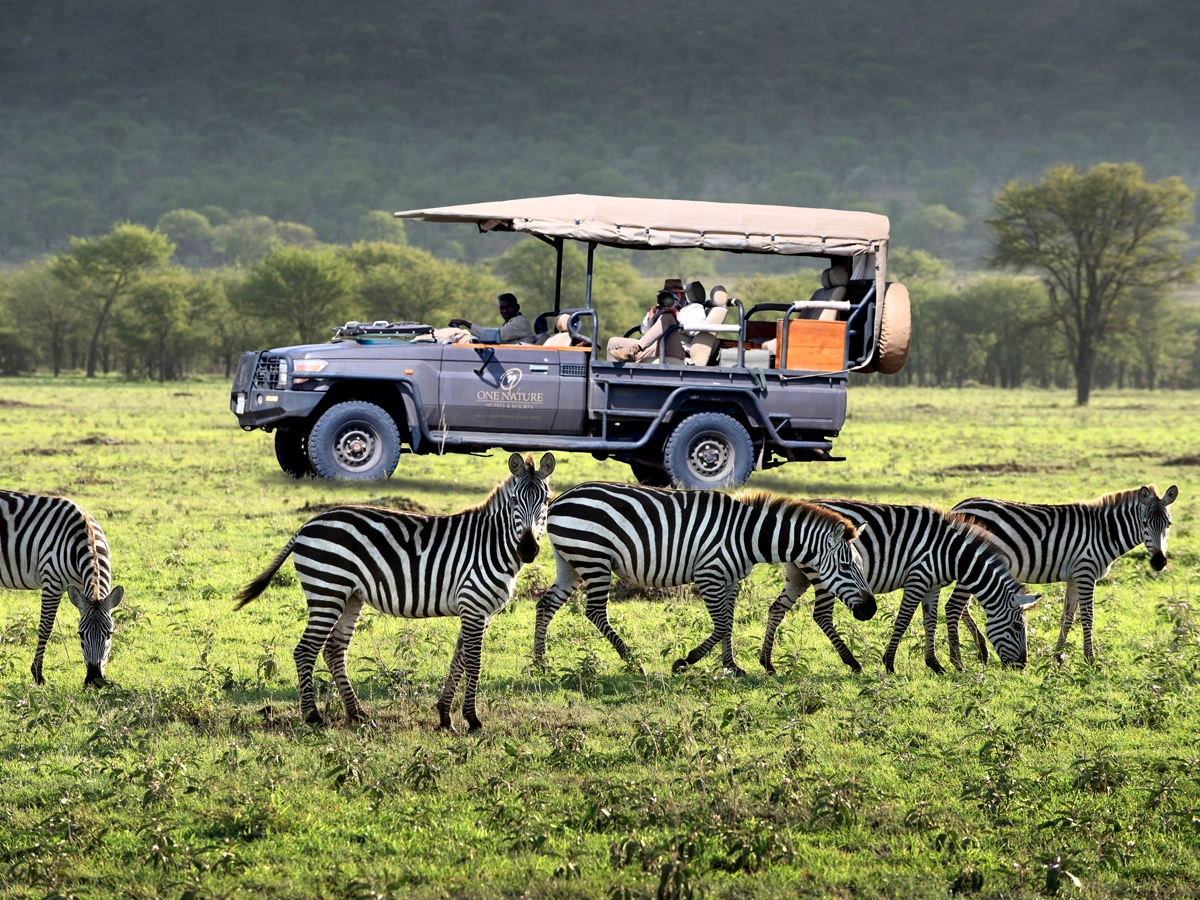
Continue your journey to the reserve, arriving at your camp or lodge in time for lunch. After some time to relax and settle in, head out on an exciting afternoon game drive, exploring the vast savannah in search of Africa’s incredible wildlife as the sun begins to set.
Return to your accommodation in the evening for dinner and an overnight stay.
Main Destination: Maasai Mara National Reserve
Meals & Drinks:
- Lunch & Dinner included
- Drinking water provided
- Breakfast and other beverages not included
Day 2: Full-Day Game Drive in Maasai Mara National Reserve
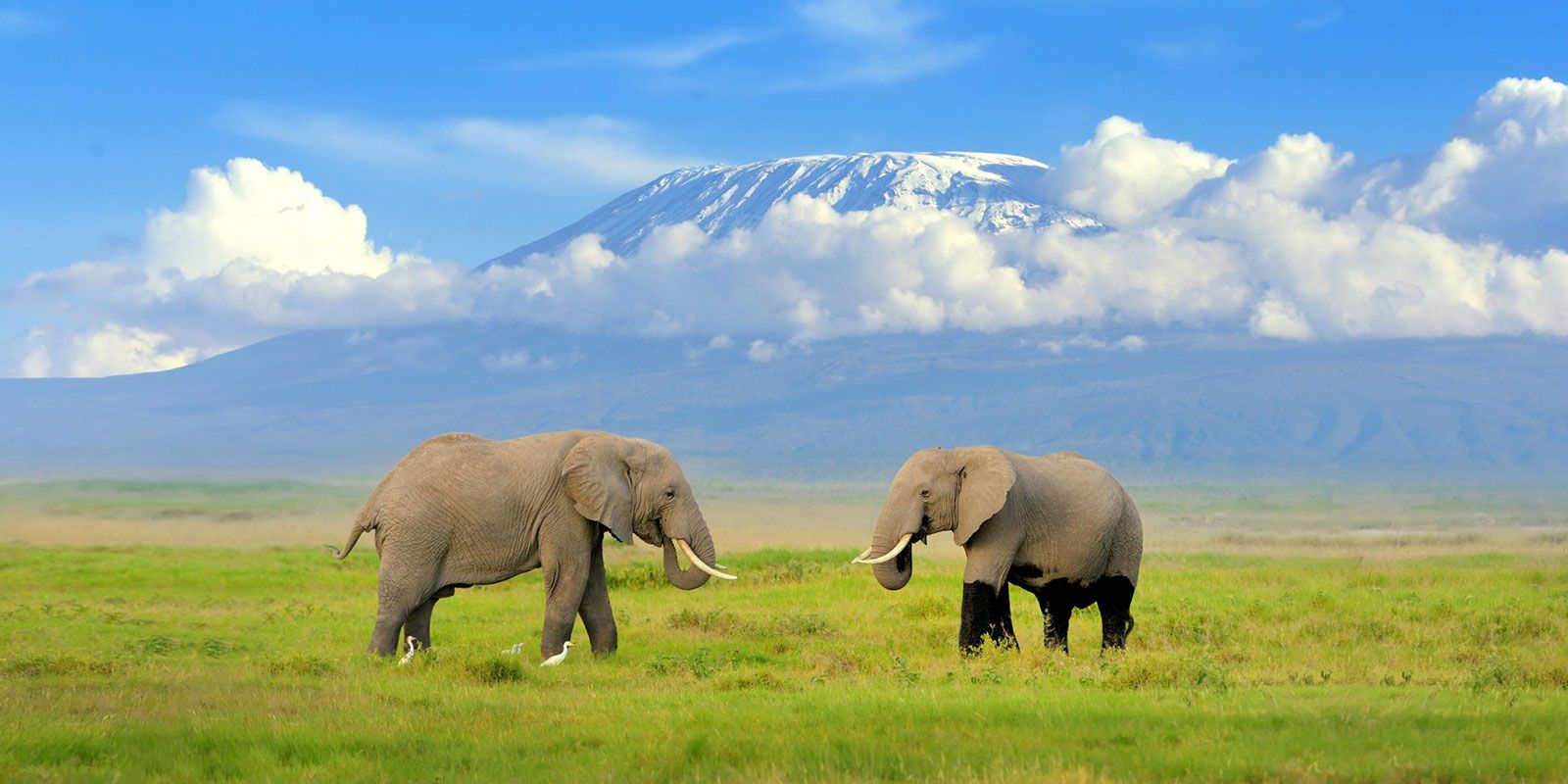
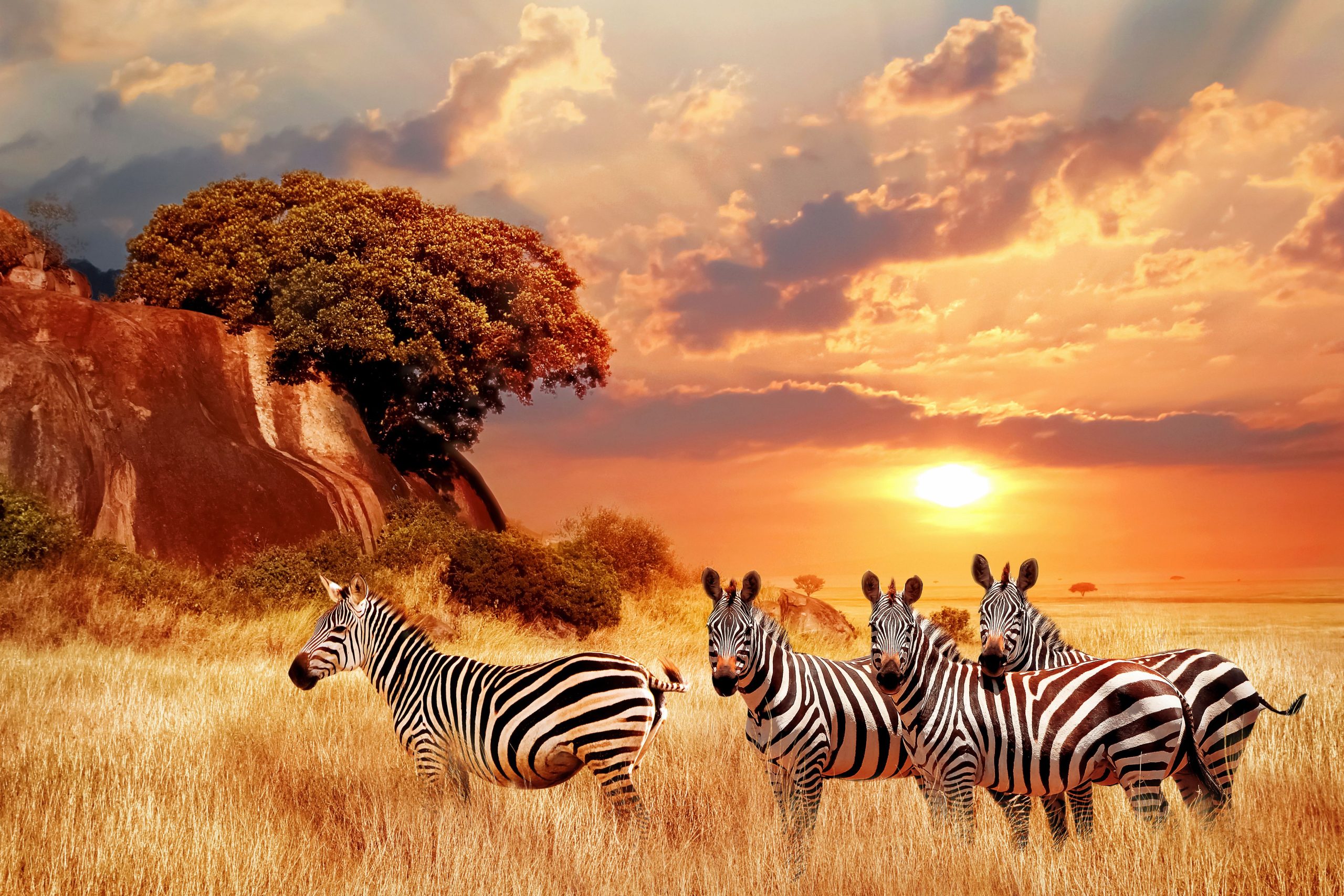
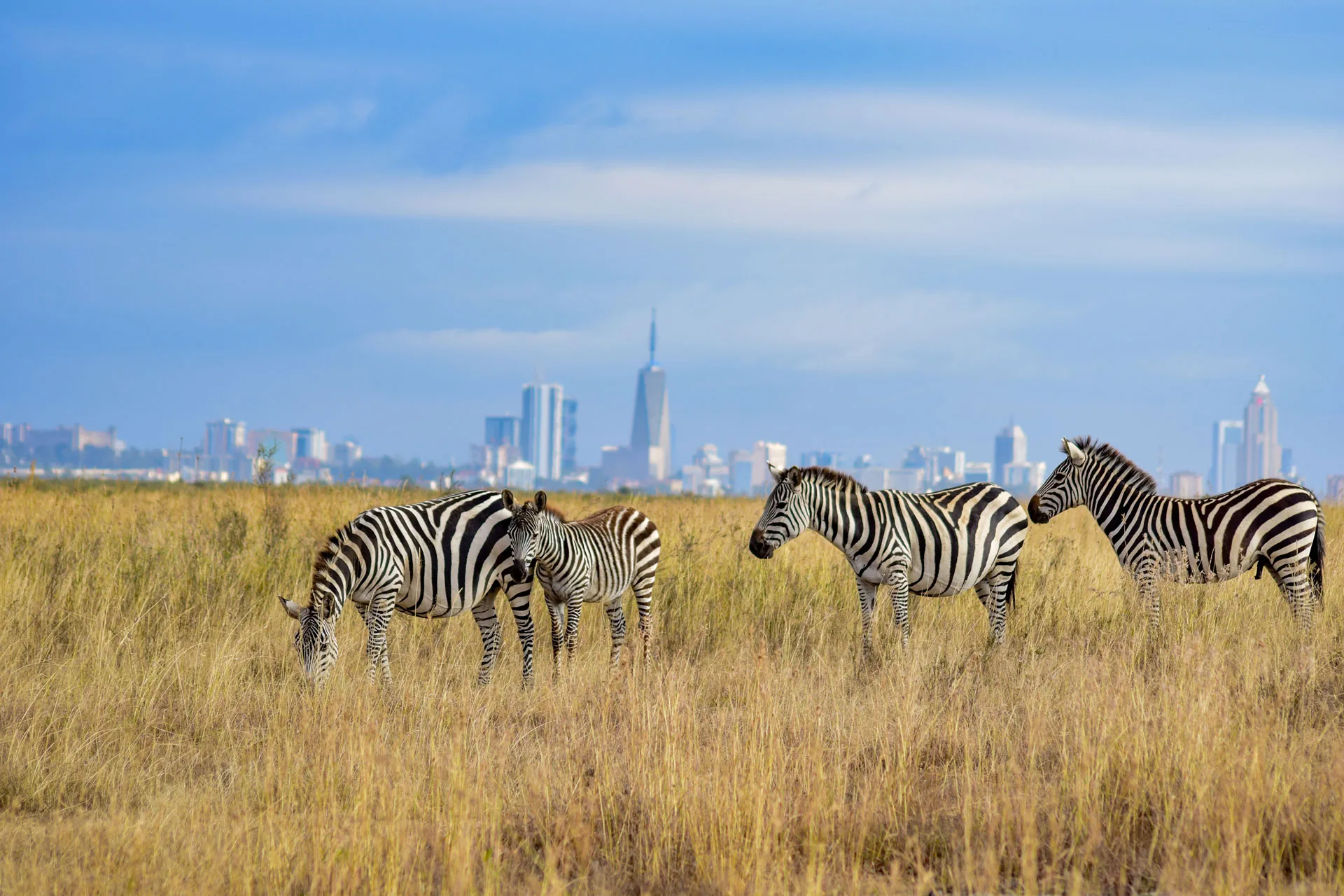
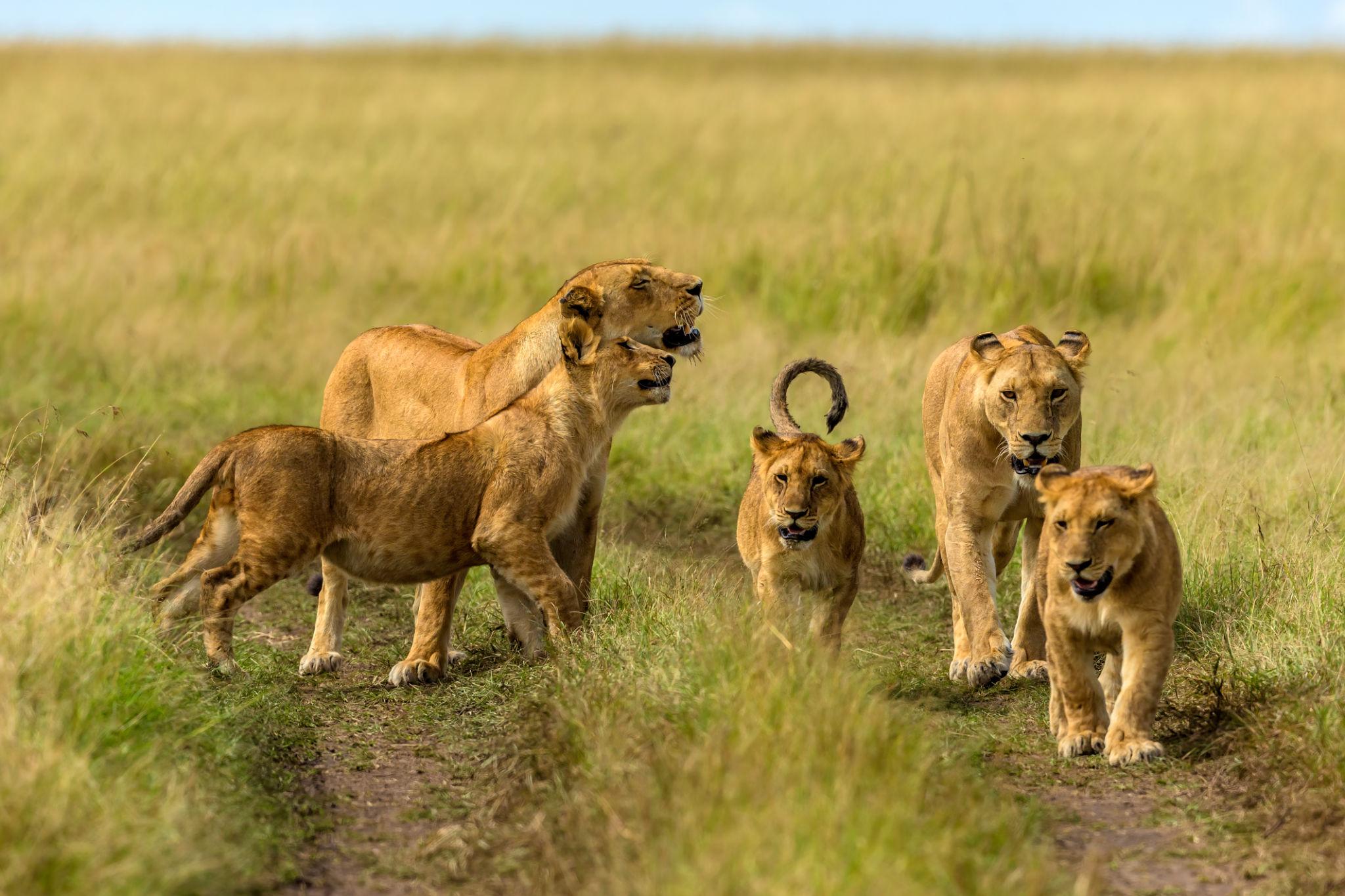
After an early breakfast, set off for a full-day game drive with packed picnic lunches. Maasai Mara is renowned for its exceptional wildlife viewing and is one of Africa’s premier safari destinations. The reserve is home to the iconic Big Five—lion, leopard, elephant, buffalo, and rhino—as well as large populations of cheetahs, giraffes, zebras, wildebeests, hyenas, and numerous antelope species.
The reserve is particularly famous for its impressive population of black-maned lions and its remarkably relaxed cheetahs, which are often seen resting in the shade of safari vehicles or surveying the plains from elevated viewpoints.
Bird enthusiasts will also be delighted by the reserve’s rich birdlife, with nearly 500 recorded species, including eagles, hawks, falcons, vultures, storks, bustards, and colourful sunbirds.
After a rewarding day of wildlife viewing, return to your camp or lodge for dinner and an overnight stay.
Main Destination: Maasai Mara National Reserve
Meals & Drinks:
- Breakfast, Lunch & Dinner included
- Drinking water provided
- Other beverages not included
Day 3: Maasai Mara – Nairobi
After breakfast, check out of your accommodation and begin the scenic drive back to Nairobi. Enjoy lunch en route before arriving in the city, where you will be dropped off at your hotel or at the airport for your onward flight.
Main Destination: Nairobi
Meals & Drinks:
- Breakfast & Lunch included
- Dinner and other beverages not included
Cost Includes
- Transport in a safari van or 4×4 Land Cruiser Jeep with a pop-up roof
- Airport pick-up and drop-off
- Accommodation as specified in the itinerary
- Meals as indicated (Breakfast, Lunch & Dinner)
- Services of a professional English-speaking safari guide/driver
- All park entrance fees
- Unlimited game drives as per the itinerary
- Drinking water during the safari
- All applicable government taxes and levies
Cost Excludes
- International flights
- Travel and personal insurance
- Visa fees
- Optional hot air balloon safari
- Optional Maasai Village visit
- Alcoholic beverages, soft drinks, and other personal drinks
- Personal expenses such as laundry, tips, souvenirs, and telephone calls
- Any items not specifically mentioned under “Cost Includes”
